Typical scenarios and decision focus
Backpack main openings
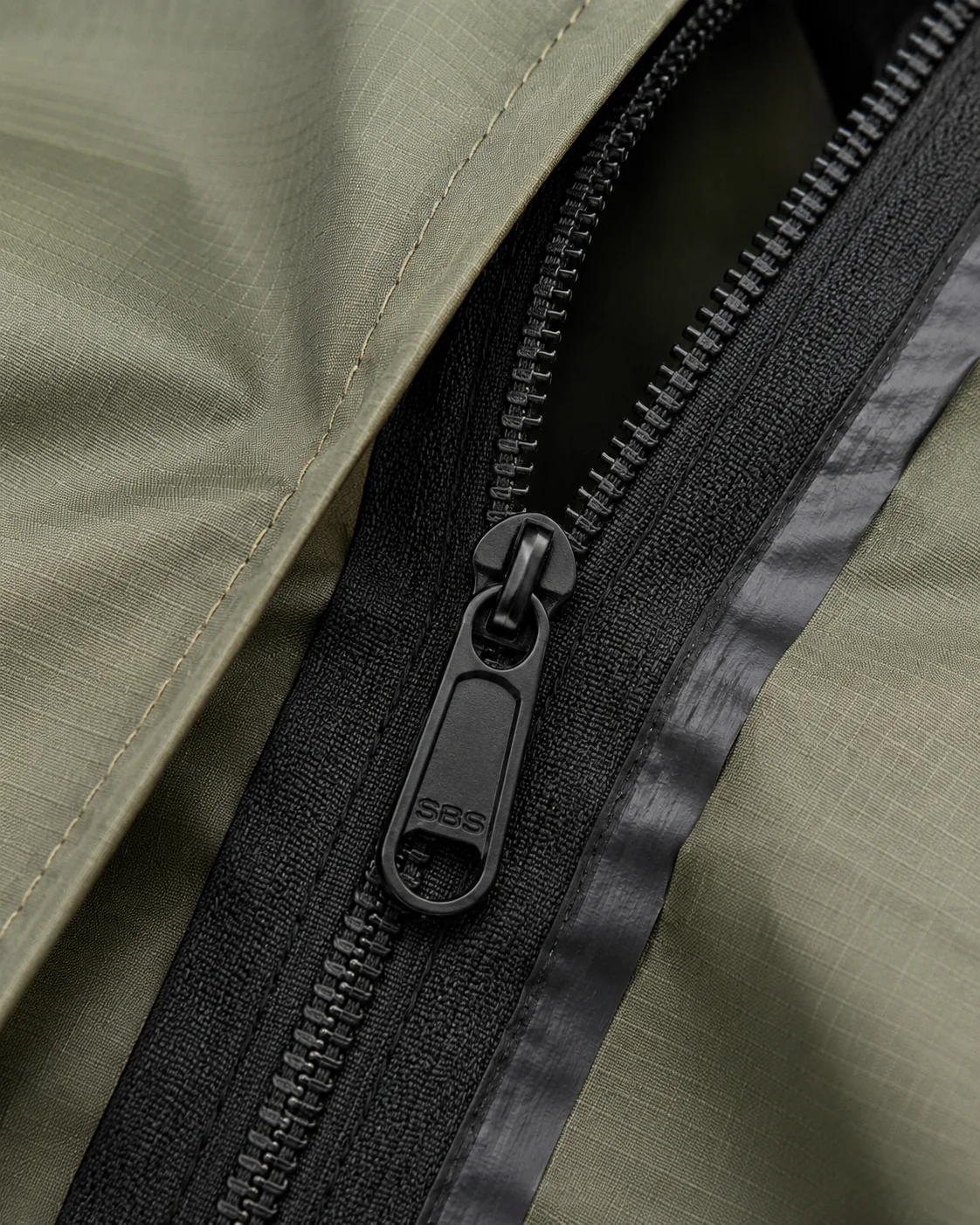
Review curve radius, two sliders, loaded tension and anti-snag design.
Handbags and fashion bags
Review metal character, puller proportion, concealed tape and total hardware language.
Travel goods
Review long openings, high-frequency use, corners and load.
Inner pockets and small accessories
Review weight, compactness, sewing space and ease of operation.
Project confirmation points
- Opening geometry, length and minimum curve radius
- Tension when empty and loaded
- One or two sliders, direction and grip clearance
- Material layers, binding and anti-snag structure
- Cycle, drop, abrasion and environmental requirements
Product families to evaluate
Material selection follows end-use risk. These families are candidate starting points, not unverified suitability claims.
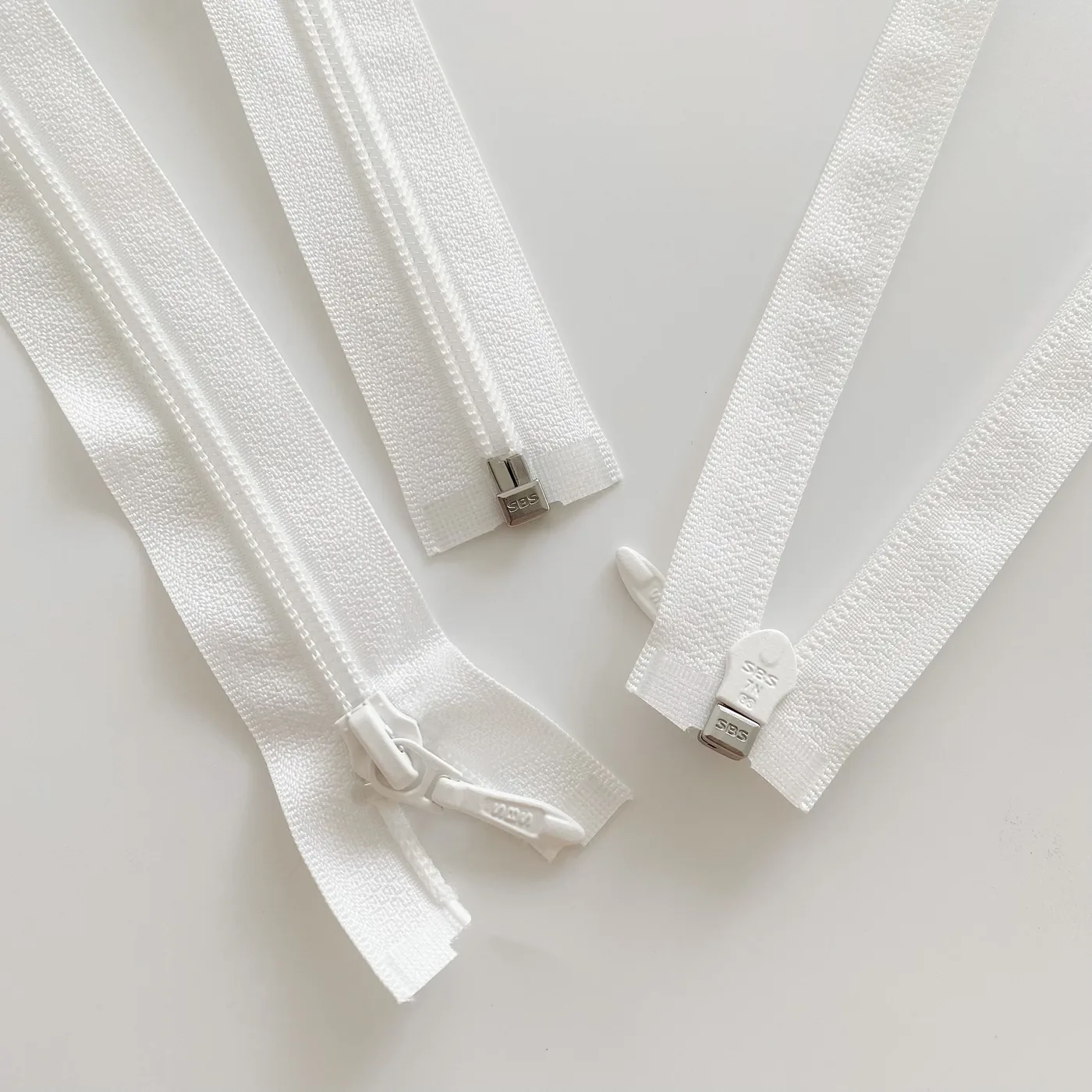
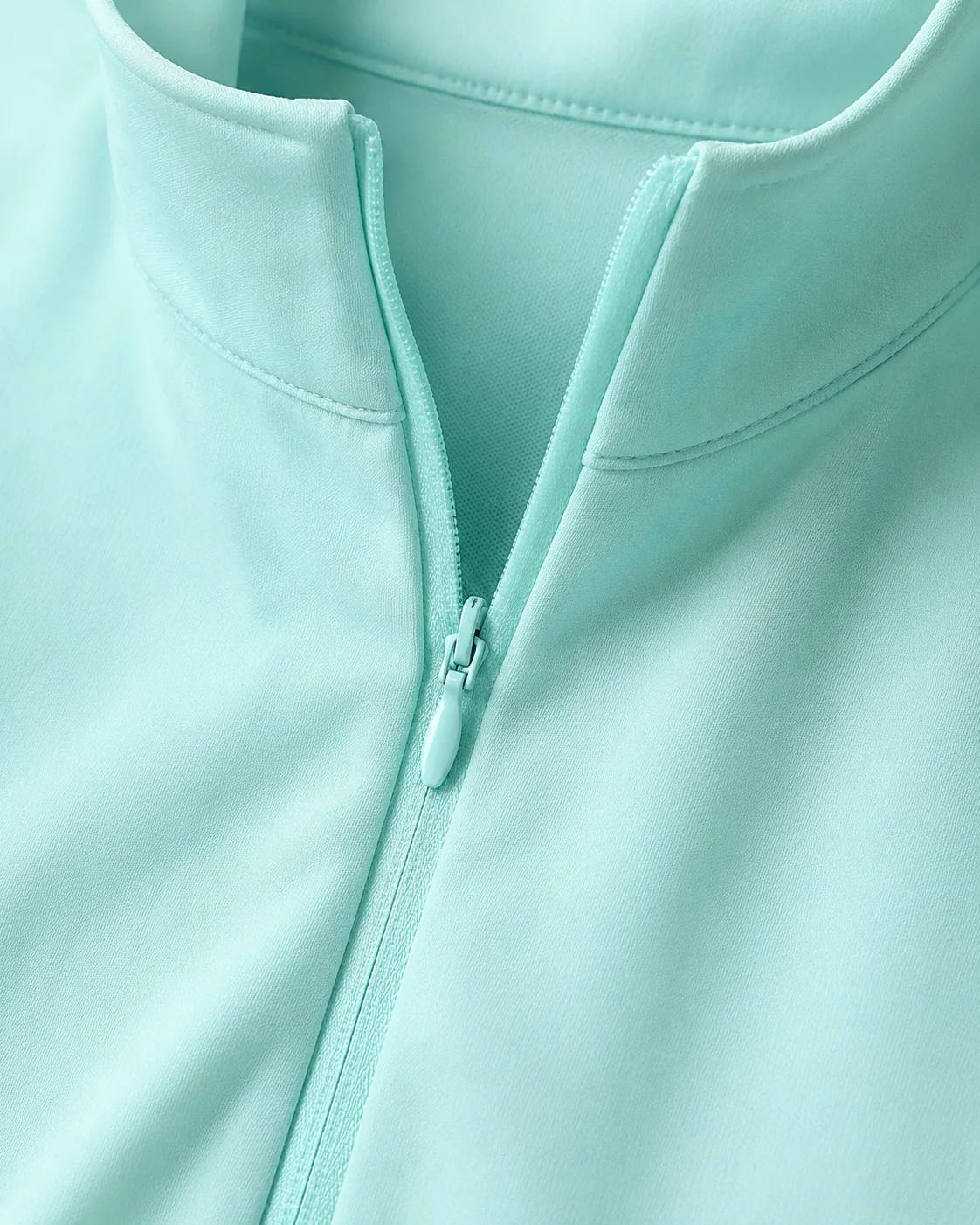
Nylon zippers
Nylon zippers are a practical starting point for projects that need a flexible opening, relatively light construction or curved-path adaptability. No. 5 open-end configurations are often discussed for jackets, while larger gauges, closed-end and two-way configurations can extend to bags and equipment. Final suitability must be verified in the finished product.
View details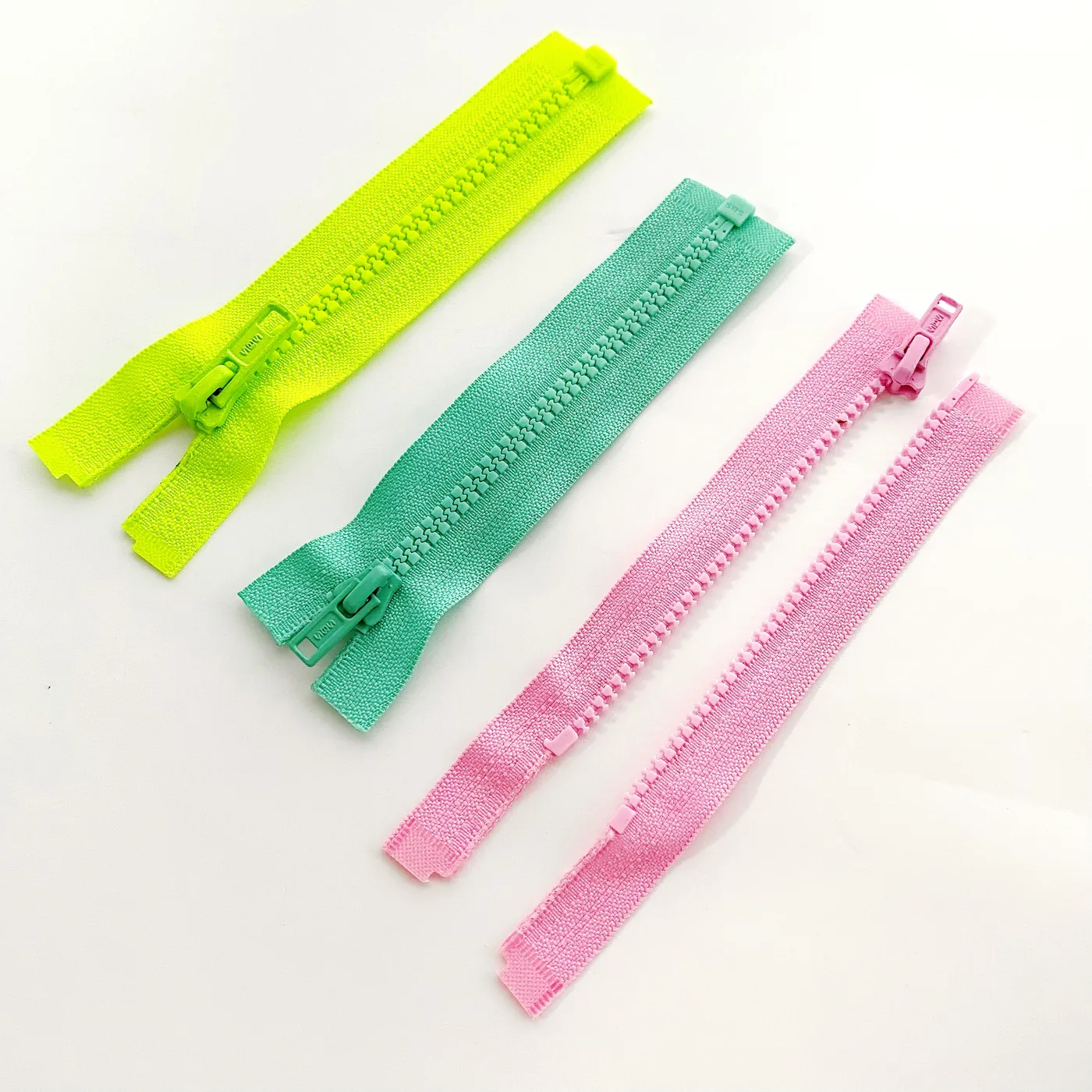
Resin zippers
Resin zippers suit products where the teeth are intended to become a visible design element or where strong color expression and a defined structural line are desired. Smaller open-end directions can support childrenswear and lightweight jackets; larger open- or closed-end directions can be evaluated for bags, heavier jackets and equipment.
View details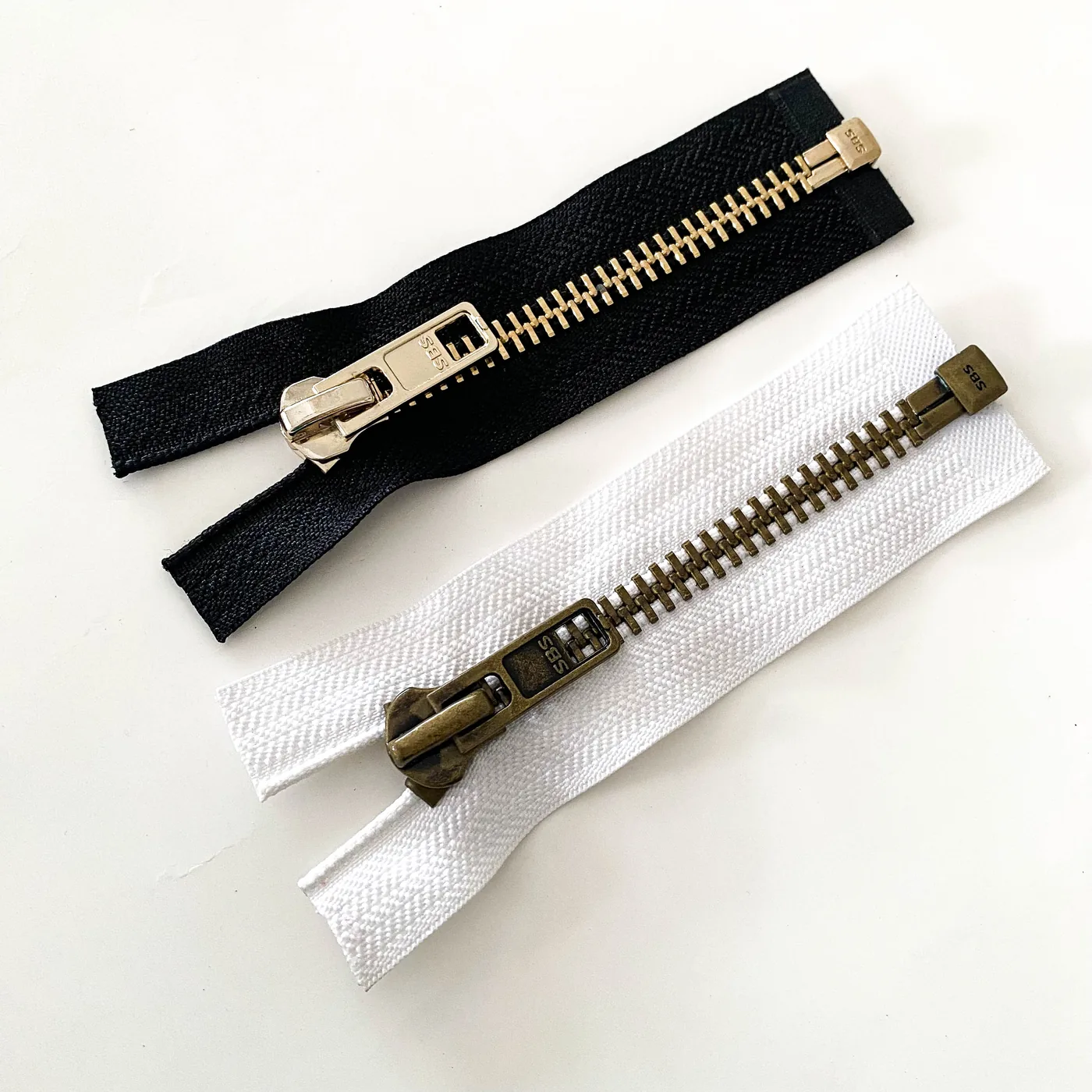
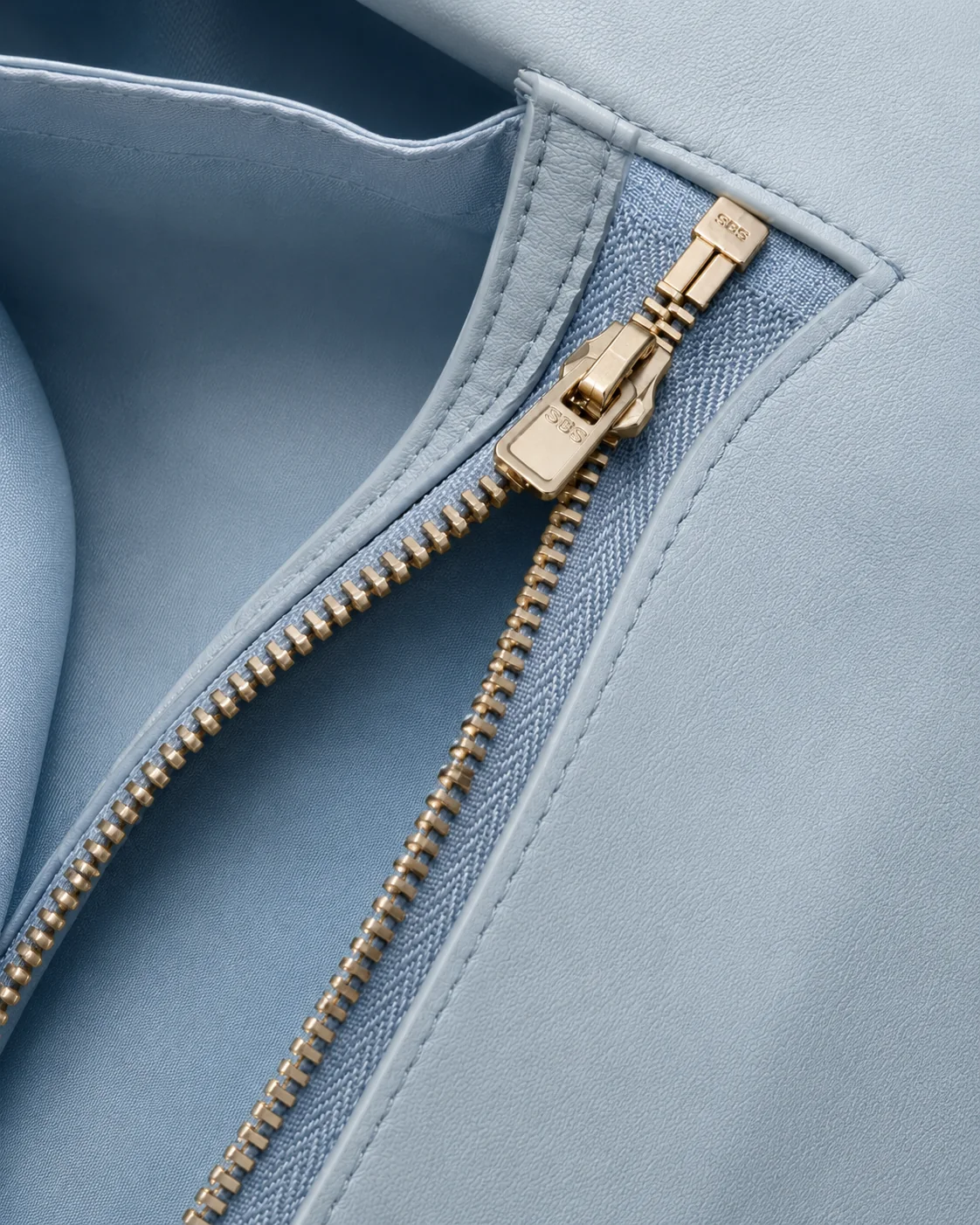
Metal zippers
Metal zippers suit products that emphasize authentic material character, vintage styling or refined hardware details. No. 3 trouser zippers support compact constructions, while larger open-end directions such as No. 8 create a stronger visual and structural presence. Finish durability must be verified for the actual environment.
View detailsFrequently asked questions
Does every bag need two sliders?
No. Two sliders improve directional access but add construction and orientation decisions.
Is a larger zipper automatically stronger?
No. Chain, slider, sewing and load path all affect the finished product.
How should a curved opening be validated?
Install it on the production pattern and test empty, loaded and repeated operation states.
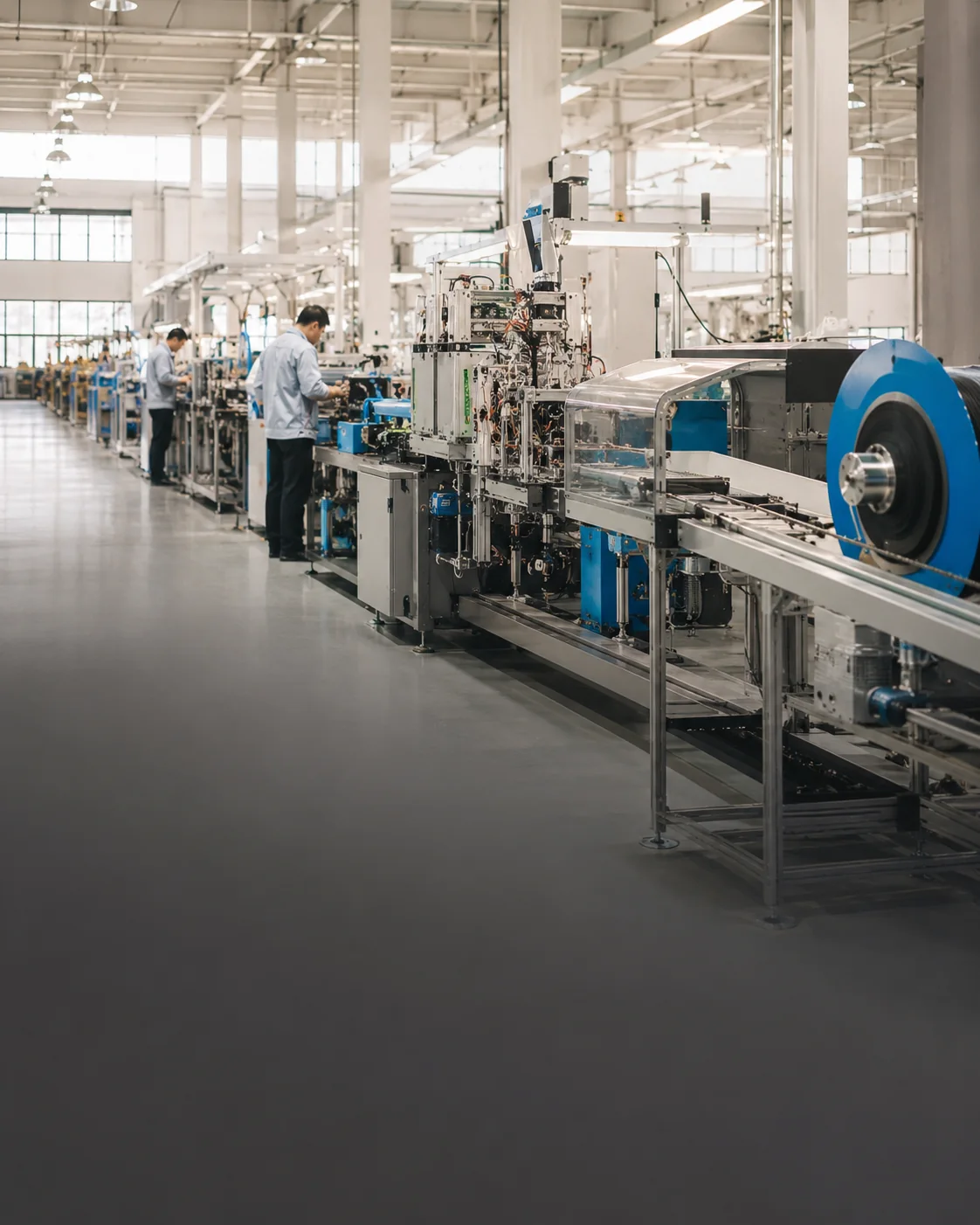
Dongguan Guanxun Zipper Co., Ltd. is an authorized SBS Zipper dealer, not the SBS brand owner or the listed manufacturing company. Product specifications, performance, price, MOQ and lead time require written project confirmation.